
Zimbabwe football
Zimbabwe Premier Soccer League
A structural guide to Zimbabwe's top division: how the league is organised, which clubs compete and what the season looks like.
About Zimbabwe Premier Soccer League
This page covers the Premier Soccer League as a competition rather than as a betting market. It explains how the division is structured, where the clubs are based and how the calendar fits around the Zimbabwean year.
Clubs come from across the country, with the strongest concentration in Harare and Bulawayo but meaningful representation from mining towns and provincial cities. Promotion comes through regional Division One leagues, which keeps the pathway open to clubs outside the two main cities.
- Top division of
- Zimbabwe
- Feeder competitions
- Regional Division One leagues
- Main centres
- Harare and Bulawayo
Zimbabwe Premier Soccer League pages
Markets that suit this competition
- Match result
- Under and over goals
- Double chance
Following it from Zimbabwe
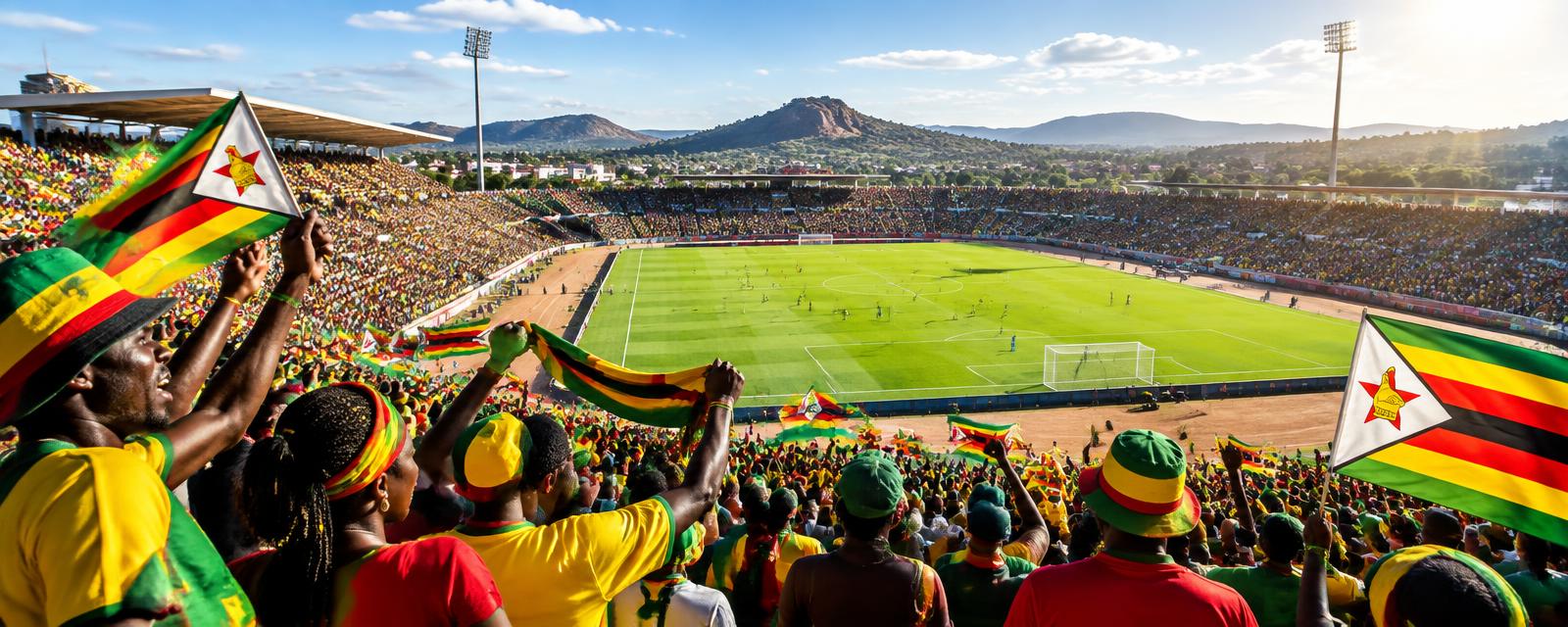
Following the PSL means following the whole country, from Barbourfields in Bulawayo to Mandava in Zvishavane and the National Sports Stadium in Harare.
The Castle Lager Premier Soccer League As An Institution
The Zimbabwe Premier Soccer League is the country's top division and the successor to a domestic top flight that has operated continuously since the early years of Zimbabwean independence, rebranded over the decades under a succession of sponsorship names while keeping the same core structure of promotion and relegation with the lower divisions. It sits under the umbrella of the Zimbabwe Football Association, the body that oversees the professional league set-up on ZIFA's behalf alongside the national team programmes.
Across its history the league has been dominated for long stretches by a small number of clubs with the resources and supporter bases to sustain squads year after year, while a wider group of provincial sides rotate between the top flight and the lower tiers. That mix of long-term giants and a changing supporting cast is typical of leagues in countries where player migration abroad regularly reshapes squads.
The league's long continuity through different sponsorship eras, from its earliest post-independence seasons to the present Castle Lager branding, mirrors the way many African top flights have relied on a single long-term beverage or telecommunications sponsor to underwrite the competition's running costs year after year.
League Structure, Season Format And Promotion
The PSL season runs on a round-robin basis in which every club plays the rest of the division home and away, with final league position deciding the champion, the clubs that qualify for continental competition, and the clubs relegated to Zimbabwe's second-tier football, the Zimbabwe National Football Division One Leagues structure organised on a regional basis.
Promotion and relegation give the division its competitive tension: the bottom clubs each season make way for sides promoted after winning their regional Division One section and subsequent playoffs, a path that has brought a steady stream of new clubs into the top flight over the years and kept the league connected to football communities outside its traditional strongholds.
A typical PSL season stretches from the early months of the year into the final quarter, a calendar shaped partly by the southern hemisphere climate and partly by the need to avoid direct clashes with the national team's own international match windows during the Warriors' qualifying campaigns.
Clubs And Their Regional Identities
Many PSL clubs carry a strong regional or institutional identity rather than existing purely as standalone football businesses. Several of the league's most successful sides trace their roots to Harare and Bulawayo, Zimbabwe's two largest cities, where dense populations and long-running rivalries have sustained the biggest attendances in the division for generations.
Other clubs grew out of workplace or security-forces teams, a pattern common across southern African football where mining houses, the police, and the army historically sponsored sides as part of staff welfare programmes, later evolving into fully professional or semi-professional football clubs that still carry that institutional heritage in their names and colours. Smaller provincial clubs representing towns outside the two main cities add a further layer of regional representation when they earn promotion, giving supporters outside the capital a direct stake in top-flight football.
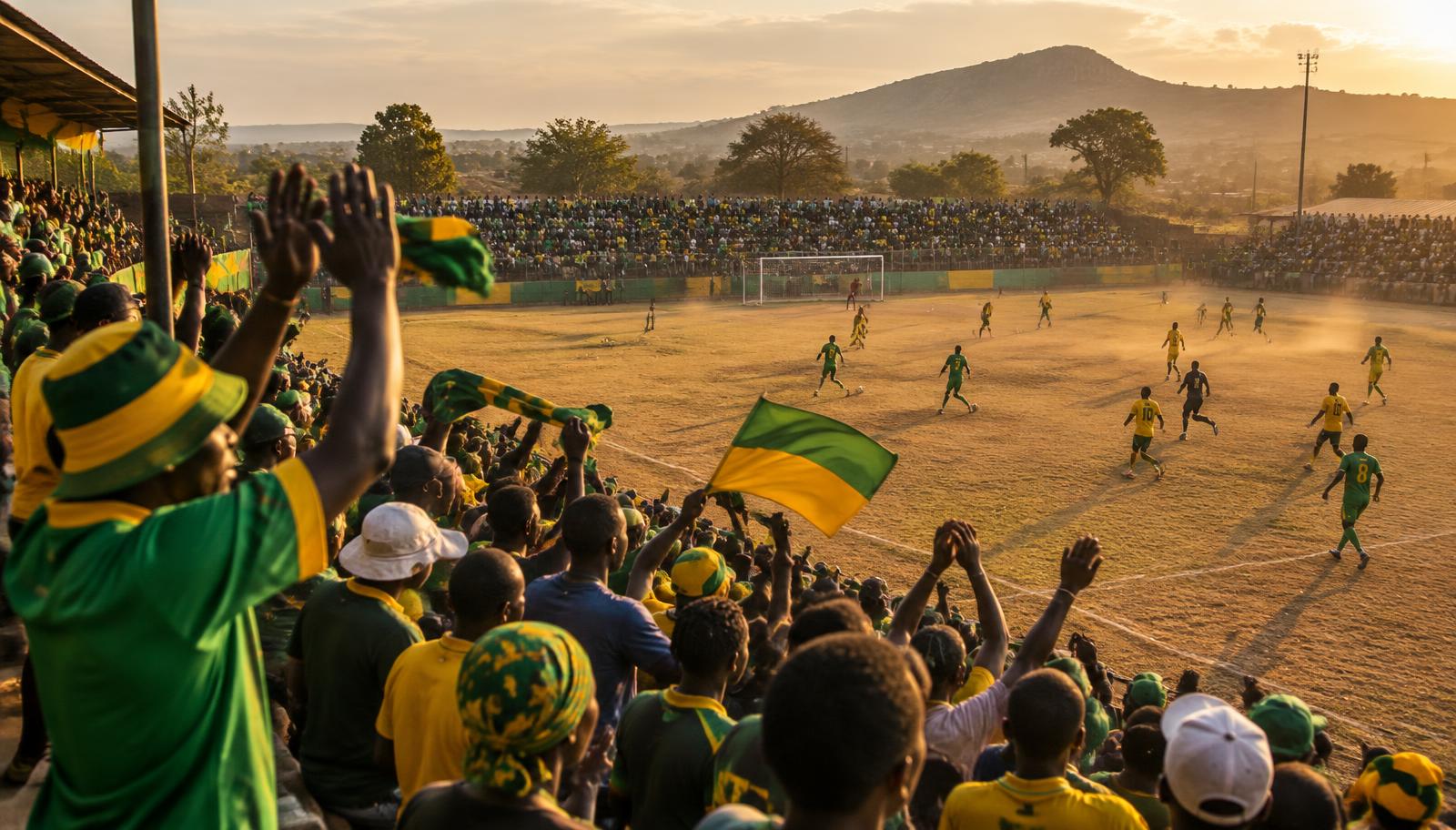
Supporter culture around these clubs is passed down through families in a way that mirrors long-established rivalries elsewhere in African football, with season-ticket holding households and informal fan associations providing much of the atmosphere that visiting continental sides often remark on when they travel to Zimbabwe for CAF fixtures.
Governance And The League's Place In Zimbabwean Football
The league is run by its own Premier Soccer League board working alongside the Zimbabwe Football Association, with the PSL responsible for the day-to-day running of the top-flight competition, including fixture scheduling, licensing of clubs, and relations with broadcast and commercial partners, while ZIFA retains oversight of the wider football pyramid and the national teams.
Clubs are required to meet licensing standards covering stadium facilities, administrative structures and financial reporting before they can compete, a system designed to professionalise a league that for much of its history relied heavily on individual club benefactors and sponsor goodwill rather than broad commercial revenue streams.
Financial sustainability has been a recurring theme in the league's governance discussions over the years, with club licensing requirements intended gradually to reduce reliance on wealthy individual benefactors and move toward more broad-based commercial models, a transition that has proceeded unevenly across different clubs in the division.
Continental Qualification And The League's Wider Reach
The PSL champion and, depending on the season's allocation, the next-best-placed clubs qualify for CAF's continental club competitions, giving Zimbabwean clubs a route to test themselves against sides from across the continent. Participation in continental football has historically been a significant source of prestige and occasional revenue for the clubs that qualify, even when results have been difficult against better-resourced opposition from wealthier footballing nations.
The league has also long served as a shop window for players later moving into South African football and further afield, with South Africa's proximity and shared football culture making it the most common next step for Zimbabwean talent developed in the domestic league.
Clubs that perform well in CAF competition also gain valuable exposure for their individual players, since continental matches are watched closely by scouts from stronger African leagues and occasionally from Europe, making a good continental run worth more to a club than the prize money alone.
Following The PSL Through CityBet
CityBet brings together the Zimbabwe PSL's fixtures, results and standings in one place, which is a useful reference point for anyone wanting to follow how the promotion and relegation picture, and the race for continental qualification places, develops over the course of a season.
Understanding the league's structure, from its round-robin season format to its promotion pathway from the regional Division One leagues, gives context to why certain fixtures carry extra weight late in a campaign, whether that is a relegation six-pointer between provincial sides or a title-deciding match between two of the league's traditional powers.
Because the league's promotion and relegation system ties the professional PSL directly to the regional Division One structure beneath it, following standings across a full season also gives a sense of which provincial football communities are on the rise and which established names are fighting to preserve their top-flight status.